

Foods that boost testosterone naturally (2026 Guide) play a crucial role in improving energy, strength, muscle growth, and overall sexual health. Testosterone is a vital hormone in the body, but in recent years, declining levels have become increasingly common due to stress, poor diet, and sedentary lifestyles.
Many people are now actively searching for foods that boost testosterone naturally to enhance their well-being without depending entirely on medications. A balanced and nutrient-rich diet can significantly support hormone production, increase stamina, and promote long-term health.
In this guide, we will explore the most effective foods and dietary habits that help boost testosterone naturally and improve overall performance.
Foods That Boost Testosterone Naturally: Why Testosterone Matters
Testosterone plays a key role in:
- Maintaining libido
- Improving muscle strength
- Boosting energy levels
- Supporting mental health
Signs of Low Testosterone
- Fatigue
- Reduced motivation
- Low libido
- Muscle loss
- Mood changes
Low testosterone can affect both physical performance and emotional well-being.
Foods That Boost Testosterone Naturally: Best Foods to Include in Your Diet
Healthy Fats
Healthy fats are essential for hormone production.
Include:
- Avocados
- Nuts (almonds, walnuts)
- Olive oil
- Coconut oil
👉 These support testosterone because hormones are built from cholesterol.
Why Sexual Performance Is Declining Worldwide & Natural Ways to Improve It
Foods That Boost Testosterone Naturally: Leafy Green Vegetables
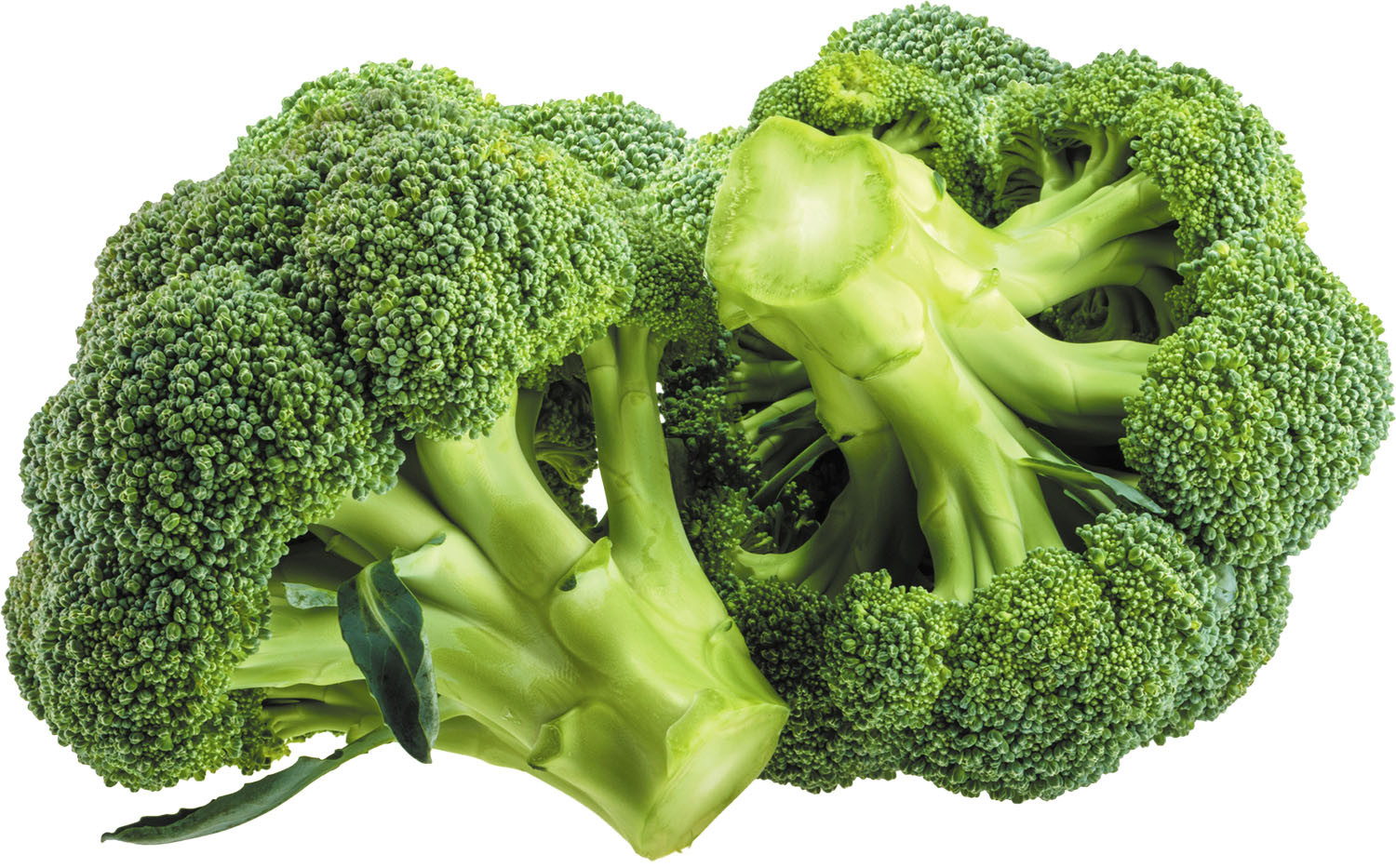
Certain vegetables help regulate hormones.
Best Options:
- Spinach
- Broccoli
- Kale
- Swiss chard
👉 Rich in magnesium, which boosts testosterone naturally.
Foods That Boost Testosterone Naturally: Protein Sources
Protein supports muscle growth and hormone balance.
Include:
- Eggs
- Fish (salmon, tuna)
- Lean meat
- Greek yogurt
👉 Helps maintain lean muscle and stable hormones.
Foods That Boost Testosterone Naturally: Zinc-Rich Foods
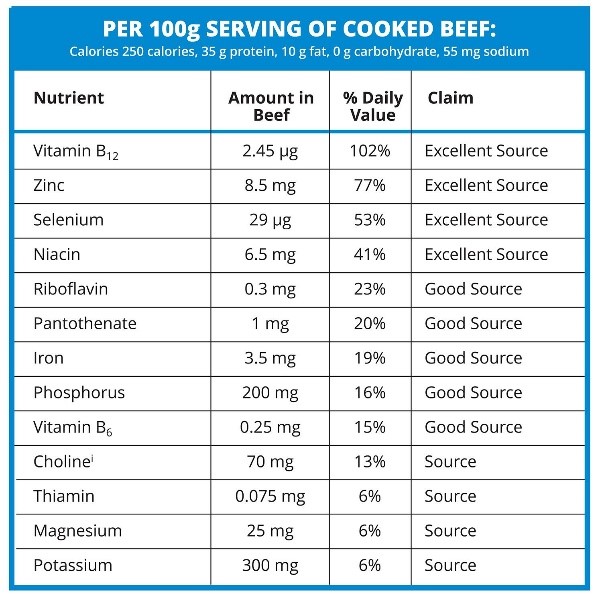
Zinc is critical for testosterone production.
Top Sources:
- Oysters
- Pumpkin seeds
- Beef
- Chickpeas
👉 Zinc deficiency = lower testosterone levels.
Ayurvedic Solution for Stress in Modern Life
Foods That Boost Testosterone Naturally: Vitamin D Foods
Vitamin D acts like a hormone.
Sources:
- Sunlight
- Fatty fish
- Egg yolks
- Fortified foods
👉 Low vitamin D is strongly linked to low testosterone.
Foods That Boost Testosterone Naturally: Fruits That Boost Testosterone
Certain fruits support hormone health.
Best Choices:
- Pomegranate
- Banana
- Berries
- Watermelon
👉 Improve blood flow and reduce oxidative stress.
Foods That Boost Testosterone Naturally: Garlic and Onions
- Garlic reduces cortisol (stress hormone)
- Onions support testosterone production
👉 Lower stress = higher testosterone.
Foods That Boost Testosterone Naturally: Foods to Avoid
Avoid these to protect hormone levels:
❌ Processed foods
❌ Sugary drinks
❌ Trans fats
❌ Excess alcohol
👉 These reduce testosterone and harm overall health.
Lifestyle Habits That Enhance Testosterone
- Regular exercise (especially strength training)
- 7–9 hours of quality sleep
- Stress management (meditation, yoga)
- Maintaining healthy weight
👉 Lifestyle + diet = best results.
Sample Daily Diet Plan
Breakfast
- Eggs + spinach
- Whole grain toast
- Avocado
Lunch
- Grilled chicken/salmon
- Brown rice
- Broccoli
Snack
- Almonds + banana
Dinner
- Lean meat/fish
- Vegetables
- Olive oil
Internal Linking
Improve SEO by linking:
👉 Natural remedies for libido
👉 Best exercises for stamina
👉 Stress and sexual health
👉 Sexual performance decline worldwide
Conclusion
A balanced diet rich in healthy fats, proteins, vegetables, and essential nutrients plays a crucial role in maintaining hormone levels.
Choosing the right foods that boost testosterone naturally can improve:
- Energy
- Confidence
- Strength
- Overall health
Consistency is key—combine diet with exercise and good sleep for long-term results.
FAQ
1. Which food increases testosterone fastest?
Healthy fats and zinc-rich foods like eggs, nuts, and avocados are highly effective.
2. Can diet alone improve testosterone?
Diet helps significantly, but lifestyle factors also matter.
3. How long does it take to see results?
Typically within a few weeks with consistent habits.
Disclaimer
This content is for informational purposes only and not medical advice. Consult a healthcare professional before making dietary or lifestyle changes.
Reliable information and public health resources on sexual health across the Americas from PAHO.
Global insights and research-based guidance on sexual and reproductive health from the World Health Organization.