
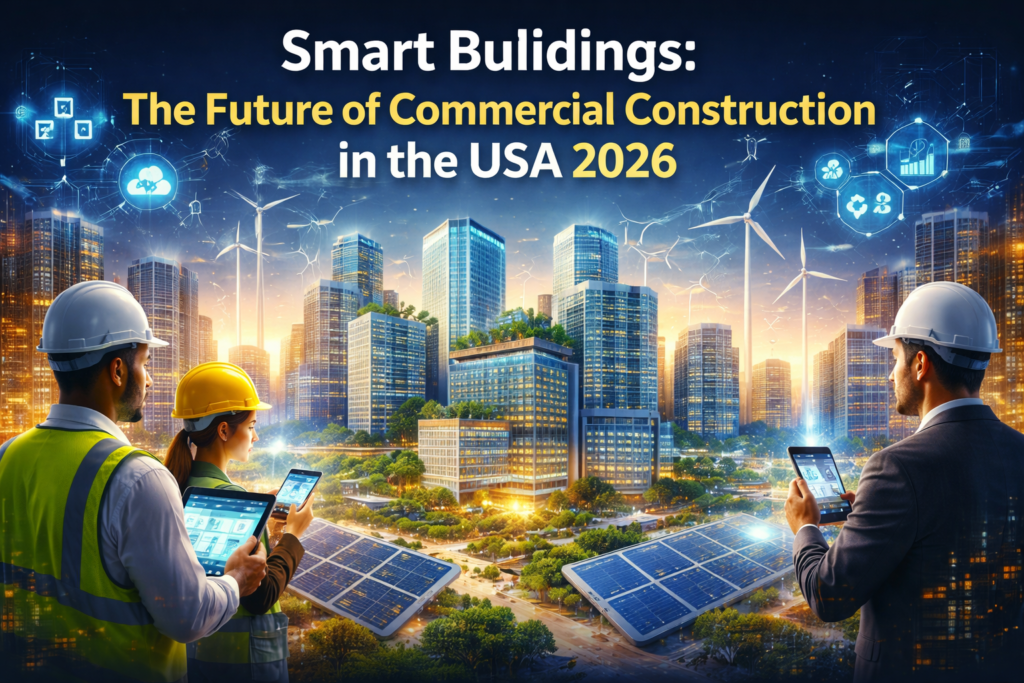
Smart Buildings: The Future of Commercial Construction is rapidly becoming a defining concept in the modern construction landscape across the United States. As businesses demand more efficient, sustainable, and technologically advanced spaces, the construction industry is evolving to meet these expectations. Smart buildings integrate advanced technologies such as IoT, artificial intelligence, and automation systems to optimize performance, reduce operational costs, and enhance occupant comfort. Understanding Smart Buildings: The Future of Commercial Construction is essential for developers, investors, and businesses looking to stay competitive in today’s fast-changing environment.
The rise of Smart Buildings: The Future of Commercial Construction is driven by the need for energy efficiency and sustainability. Commercial buildings consume a significant portion of energy, and traditional infrastructure often leads to inefficiencies and waste. Smart systems allow real-time monitoring and control of energy usage, lighting, heating, and cooling systems. This not only reduces environmental impact but also lowers operating costs for businesses. As sustainability regulations become stricter in the USA, adopting Smart Buildings: The Future of Commercial Construction is no longer optional but a strategic necessity.
Technology plays a central role in Smart Buildings: The Future of Commercial Construction. Internet of Things (IoT) devices are embedded throughout the building to collect data and provide insights into various operations. Sensors monitor temperature, occupancy, air quality, and energy usage, allowing building managers to make informed decisions. Artificial intelligence further enhances these systems by analyzing patterns and optimizing performance automatically. These innovations make Smart Buildings: The Future of Commercial Construction more efficient, responsive, and adaptable to changing needs.
One of the key advantages of Smart Buildings: The Future of Commercial Construction is improved energy management. Smart energy systems can automatically adjust lighting and HVAC systems based on occupancy and environmental conditions. For example, lights can dim when natural sunlight is sufficient, and heating systems can adjust based on room usage. This level of automation reduces energy consumption significantly and contributes to sustainability goals. Businesses benefit from lower utility bills while also supporting environmental initiatives.
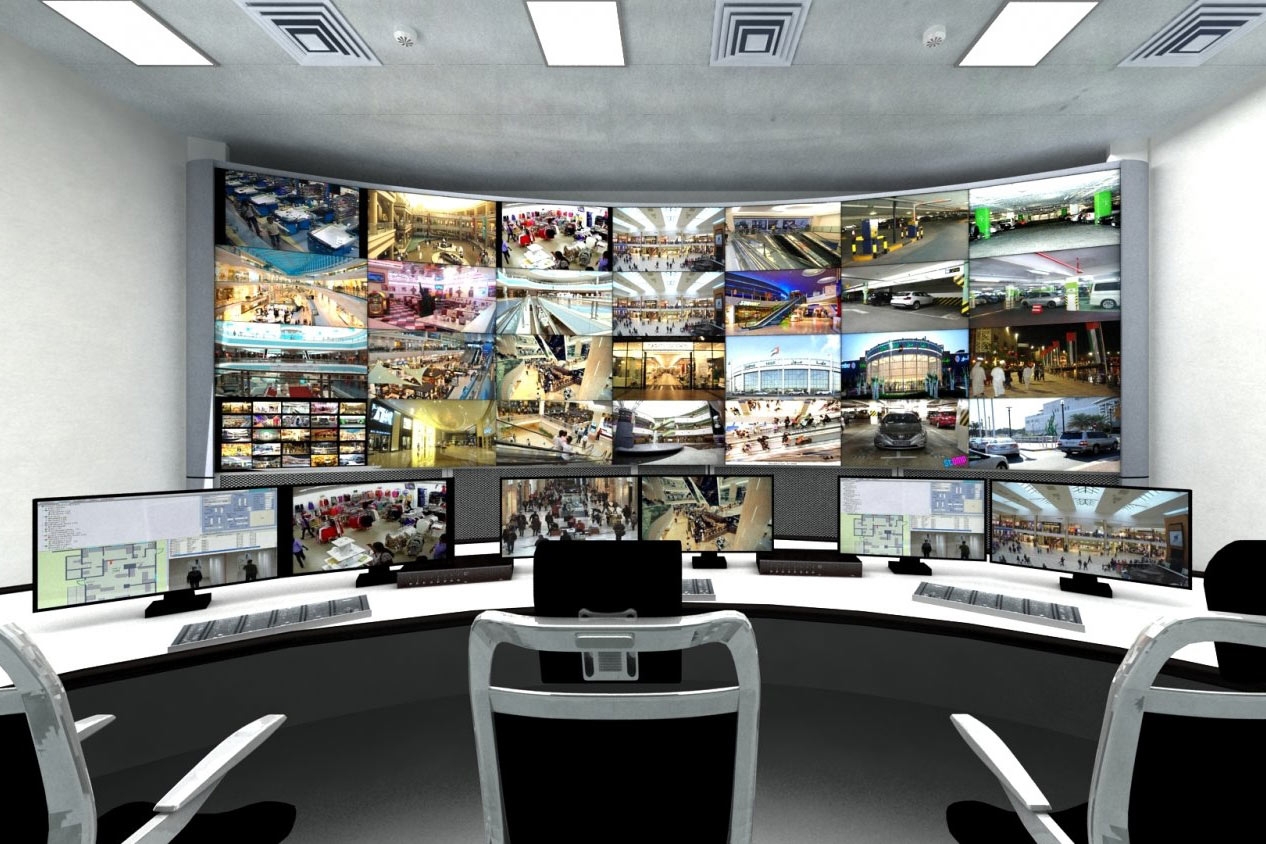
Another important aspect of Smart Buildings: The Future of Commercial Construction is enhanced security. Smart buildings use advanced surveillance systems, biometric access controls, and real-time monitoring to ensure safety. These systems can detect unusual activity and alert security personnel immediately. In addition, access control systems allow businesses to manage entry permissions efficiently, ensuring that only authorized individuals can access specific areas. This level of security is especially important for commercial properties where sensitive data and assets are involved.
Smart Buildings: The Future of Commercial Construction also focus on improving occupant comfort and productivity. Modern workplaces are designed to create a comfortable and healthy environment for employees. Smart systems can adjust lighting, temperature, and air quality based on individual preferences and occupancy patterns. This leads to increased employee satisfaction and productivity. In a competitive business environment, providing a comfortable workspace can give companies a significant advantage.
Top Construction Project Management Tools for 2026
Data analytics is another powerful feature of Smart Buildings: The Future of Commercial Construction. The data collected from various sensors and systems can be analyzed to gain insights into building performance. Facility managers can identify inefficiencies, predict maintenance needs, and optimize operations. Predictive maintenance is particularly valuable, as it helps prevent equipment failures and reduces downtime. By leveraging data, businesses can make smarter decisions and improve overall efficiency.
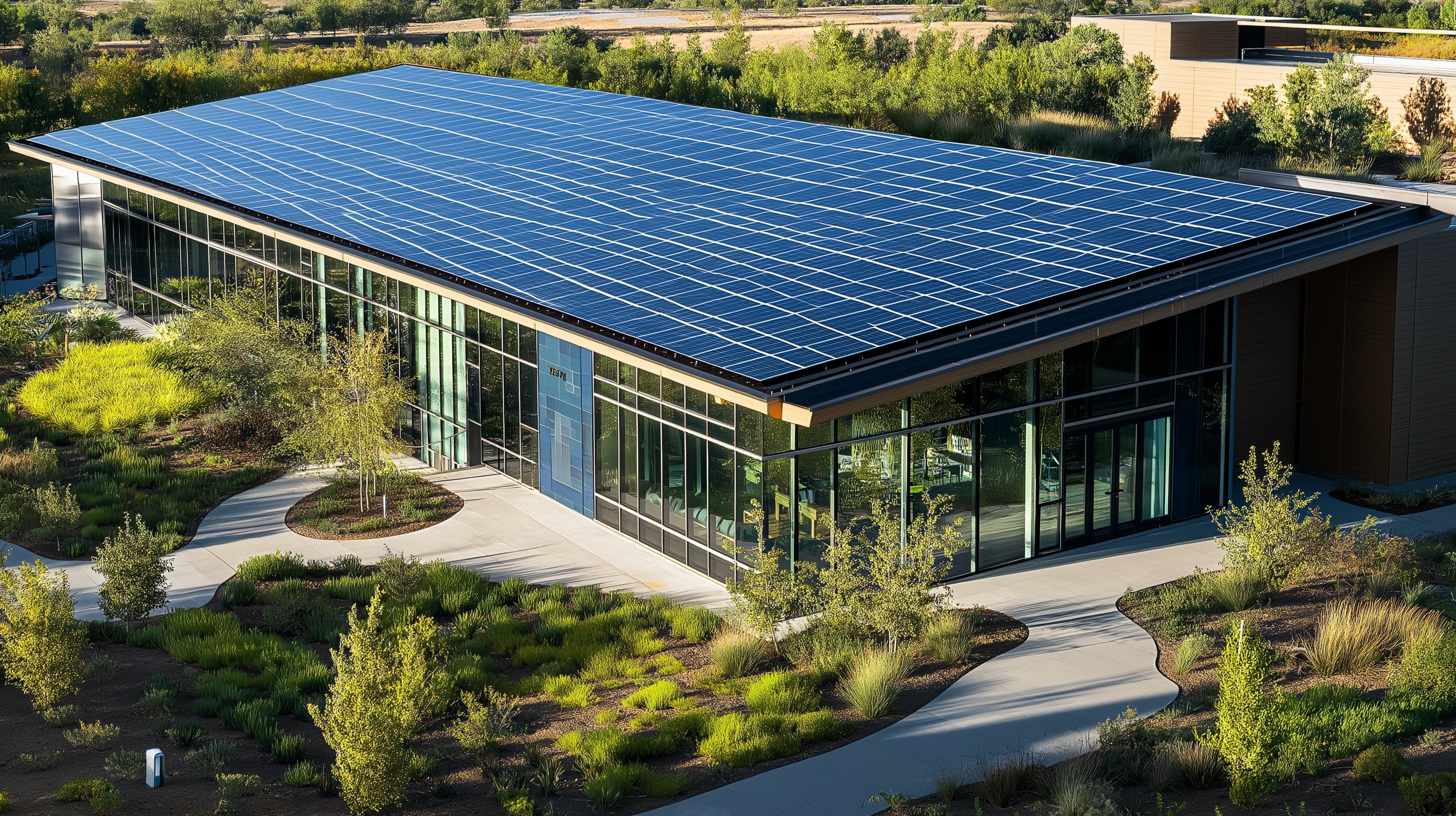
Integration with renewable energy sources is another key trend in Smart Buildings: The Future of Commercial Construction. Many smart buildings are designed to incorporate solar panels, energy storage systems, and other renewable technologies. This not only reduces reliance on traditional energy sources but also supports sustainability initiatives. In the USA, where green building standards are becoming more important, integrating renewable energy is a major advantage.
Automation is at the heart of Smart Buildings: The Future of Commercial Construction. Automated systems can handle routine tasks such as lighting control, climate management, and security monitoring. This reduces the need for manual intervention and allows facility managers to focus on more strategic activities. Automation also improves consistency and reduces the risk of human error, leading to more reliable building operations.
The adoption of Smart Buildings: The Future of Commercial Construction is also influenced by the growing demand for smart cities. As urban areas become more connected, buildings need to integrate with broader city infrastructure. Smart buildings can communicate with transportation systems, energy grids, and other urban services, creating a more efficient and interconnected environment. This integration enhances the overall functionality of cities and improves the quality of life for residents.
Another significant benefit of Smart Buildings: The Future of Commercial Construction is cost savings. While the initial investment in smart technologies may be higher, the long-term benefits outweigh the costs. Reduced energy consumption, lower maintenance expenses, and improved operational efficiency contribute to significant savings over time. For businesses, this makes smart buildings a financially viable option.
Looking ahead, Smart Buildings: The Future of Commercial Construction will continue to evolve with advancements in technology. Artificial intelligence, machine learning, and advanced analytics will play an even greater role in optimizing building performance. Future smart buildings will be more autonomous, capable of making decisions without human intervention. This will further enhance efficiency and reduce operational costs.
In conclusion, Smart Buildings: The Future of Commercial Construction represent a major shift in how commercial properties are designed, built, and managed. By integrating advanced technologies, these buildings offer improved efficiency, sustainability, security, and comfort. As the construction industry continues to evolve, smart buildings will become the standard rather than the exception. Businesses that invest in Smart Buildings: The Future of Commercial Construction will be better positioned to succeed in a competitive and technology-driven market.
How Technology Is Changing the Real Estate Industry in the USA (2026 Guide)
1. What are Smart Buildings: The Future of Commercial Construction?
Smart Buildings: The Future of Commercial Construction are modern buildings that use technologies like IoT, AI, and automation to improve energy efficiency, security, and overall performance.
2. How do smart buildings improve energy efficiency?
Smart buildings use sensors and automated systems to control lighting, heating, and cooling based on real-time usage, reducing energy waste and lowering operational costs.
3. Why are smart buildings important in the USA?
Smart Buildings: The Future of Commercial Construction are important in the USA because they help meet sustainability regulations, reduce energy consumption, and enhance workplace productivity.
4. What technologies are used in smart buildings?
Key technologies include IoT devices, artificial intelligence, building automation systems, data analytics, and renewable energy integration.
5. Are smart buildings cost-effective for businesses?
Yes, although initial costs may be higher, Smart Buildings: The Future of Commercial Construction provide long-term savings through reduced energy usage, lower maintenance costs, and improved efficiency.
According to industry reports from U.S. Green Building Council, sustainable construction is growing rapidly in the USA.
For more insights on business and technology solutions, you can explore Doddapaneni Group’s official website.
About Doddapaneni Group
Doddapaneni Group is a USA and India-based organization providing services in IT solutions, digital marketing, and construction consulting. The company focuses on innovation and technology to support business growth.