
How AI Improves Diagnosis Accuracy in Healthcare is transforming the medical field across the United States by enabling faster, more precise, and data-driven decision-making. With the increasing complexity of diseases and the growing volume of patient data, traditional diagnostic methods often face limitations. Artificial intelligence bridges this gap by analyzing vast datasets, identifying patterns, and assisting healthcare professionals in making accurate diagnoses. Understanding How AI Improves Diagnosis Accuracy in Healthcare is essential for improving patient outcomes and advancing modern healthcare systems.
AI in Medical Imaging
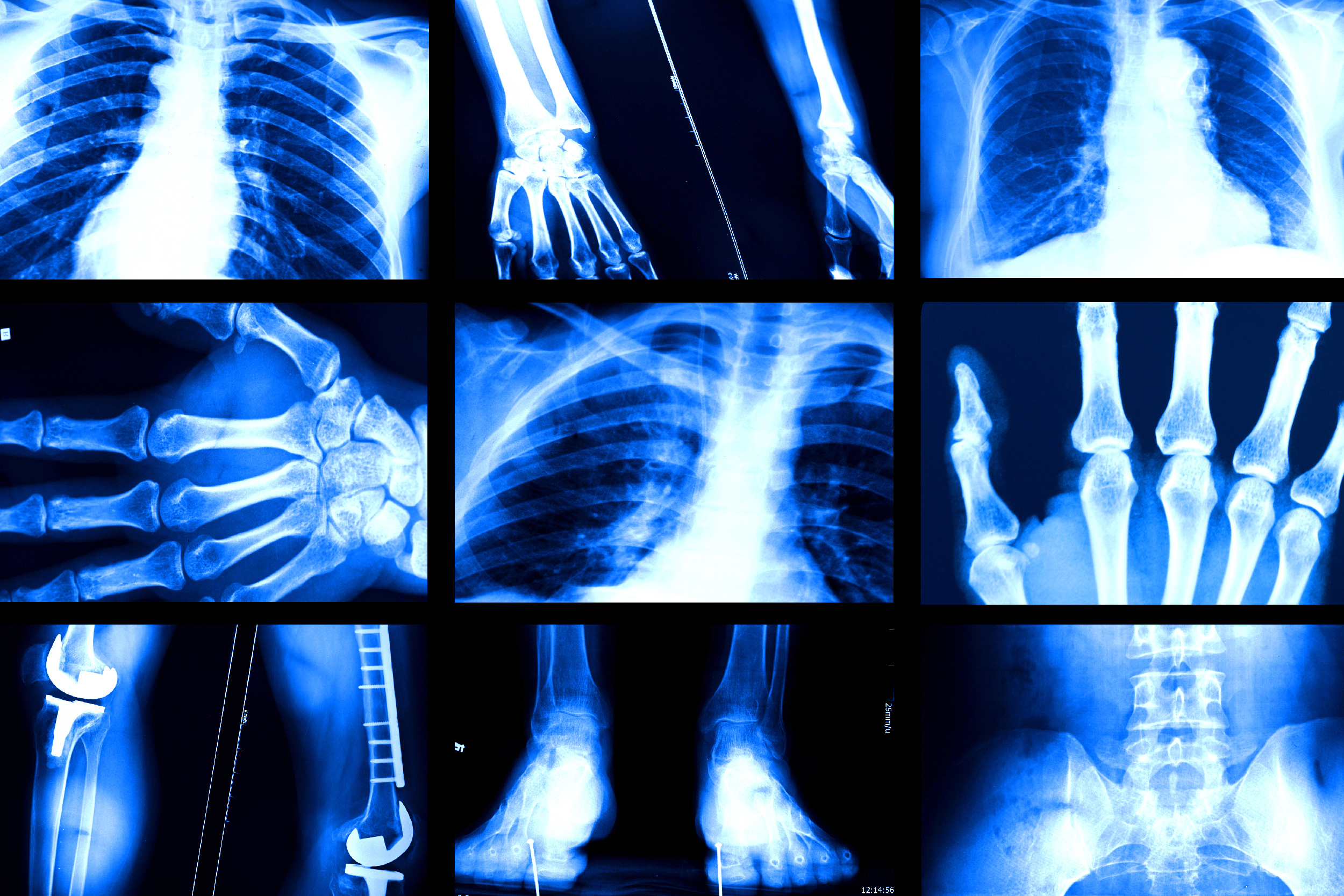
Enhancing Detection Accuracy
One of the most powerful ways How AI Improves Diagnosis Accuracy in Healthcare is through medical imaging. AI systems analyze X-rays, MRIs, and CT scans with remarkable precision, detecting abnormalities such as tumors, fractures, and internal conditions that may be difficult for human eyes to identify.
Early Disease Detection
AI enables early detection of diseases by identifying subtle patterns in imaging data. Early diagnosis allows for timely treatment, significantly improving survival rates and patient recovery outcomes.
Predictive Analytics in Healthcare
Data-Driven Risk Prediction
Another major example of How AI Improves Diagnosis Accuracy in Healthcare is predictive analytics. AI evaluates patient history, genetics, and lifestyle factors to predict potential health risks before symptoms even appear.
Preventive Healthcare Approach
This proactive approach allows doctors to intervene early, preventing serious conditions and reducing long-term healthcare costs.
How Telemedicine Is Changing the Healthcare Industry
Machine Learning and Continuous Improvement
Learning from Data
Machine learning is central to How AI Improves Diagnosis Accuracy in Healthcare, as algorithms continuously learn from new data and improve their diagnostic capabilities.
Adaptive Intelligence
Over time, AI systems become more accurate, making them highly reliable tools for healthcare professionals.
Natural Language Processing in Diagnosis
Analyzing Medical Records
Natural language processing allows AI to interpret unstructured data such as clinical notes and medical reports, which is another way How AI Improves Diagnosis Accuracy in Healthcare.
Reducing Diagnostic Errors
By extracting meaningful insights from large datasets, AI ensures no critical information is overlooked, reducing misdiagnosis.
AI Decision Support Systems
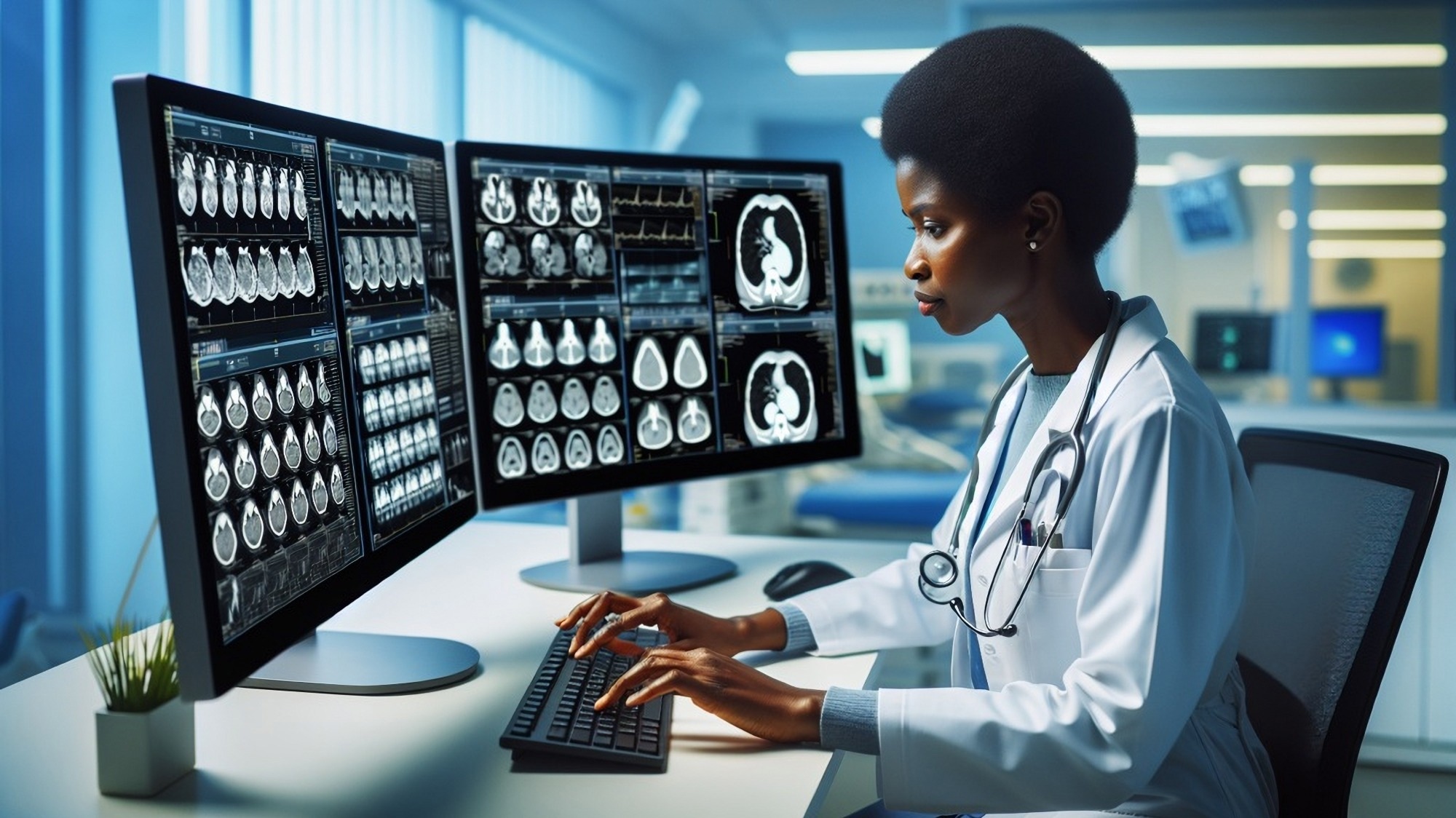
Supporting Doctors
AI-powered systems provide diagnostic suggestions and treatment recommendations, helping doctors make informed decisions.
Improving Clinical Outcomes
This collaboration enhances accuracy and leads to better patient outcomes.
Reducing Human Errors
Minimizing Fatigue-Related Mistakes
Human errors can occur due to fatigue or complex cases. AI provides consistent and reliable analysis, which strengthens How AI Improves Diagnosis Accuracy in Healthcare.
Improving Patient Safety
Reducing errors improves patient safety and trust in healthcare systems.
Telemedicine and Remote Diagnosis

Expanding Access to Care
AI-powered telemedicine platforms allow patients to receive accurate diagnoses remotely, making healthcare more accessible.
Serving Rural Communities
This is especially beneficial for rural and underserved populations in the USA.
Personalized Medicine with AI
Customized Treatment Plans
AI analyzes genetic and medical data to provide personalized treatment strategies.
Better Treatment Outcomes
Tailored treatments improve effectiveness and reduce side effects.
Wearable Technology and AI Integration
Real-Time Monitoring
Wearable devices collect continuous health data that AI analyzes to detect early warning signs.
Proactive Healthcare
This enables proactive care and timely intervention.
How Digital Health Solutions Are Transforming Patient Care
Challenges and Considerations
Data Privacy and Security
While How AI Improves Diagnosis Accuracy in Healthcare offers many benefits, protecting patient data is essential.
Ethical Use of AI
Healthcare organizations must ensure responsible AI usage and compliance with regulations.
Conclusion
How AI Improves Diagnosis Accuracy in Healthcare is revolutionizing the healthcare industry by enhancing precision, reducing errors, and enabling early detection of diseases. From AI-powered imaging to predictive analytics and wearable technology, these advancements are transforming patient care. As innovation continues, AI will play an even greater role in shaping the future of healthcare in the United States.
FAQ
1. How AI Improves Diagnosis Accuracy in Healthcare?
AI analyzes large datasets to provide faster and more accurate diagnoses.
2. What are the benefits of AI in healthcare?
Improved accuracy, early detection, and reduced medical errors.
3. Can AI replace doctors?
No, AI supports doctors but does not replace human expertise.
4. Is AI safe in healthcare?
Yes, when used with proper security and regulations.
5. What is the future of AI in healthcare?
Advanced diagnostics, personalized medicine, and improved patient care.
According to the World Health Organization, artificial intelligence is playing a key role in improving healthcare systems worldwide.
Research from National Institutes of Health shows that AI can significantly improve diagnosis accuracy in healthcare.The future includes advanced AI, personalized medicine, and smart hospitals.
Health Content Disclaimer
All health-related information on this website is published in good faith and for general informational purposes only. This content does not replace professional medical advice, diagnosis, or treatment.
We do not assume responsibility for any actions taken based on the information provided. Readers are strongly encouraged to consult licensed medical professionals for personalized healthcare guidance.
One Response