
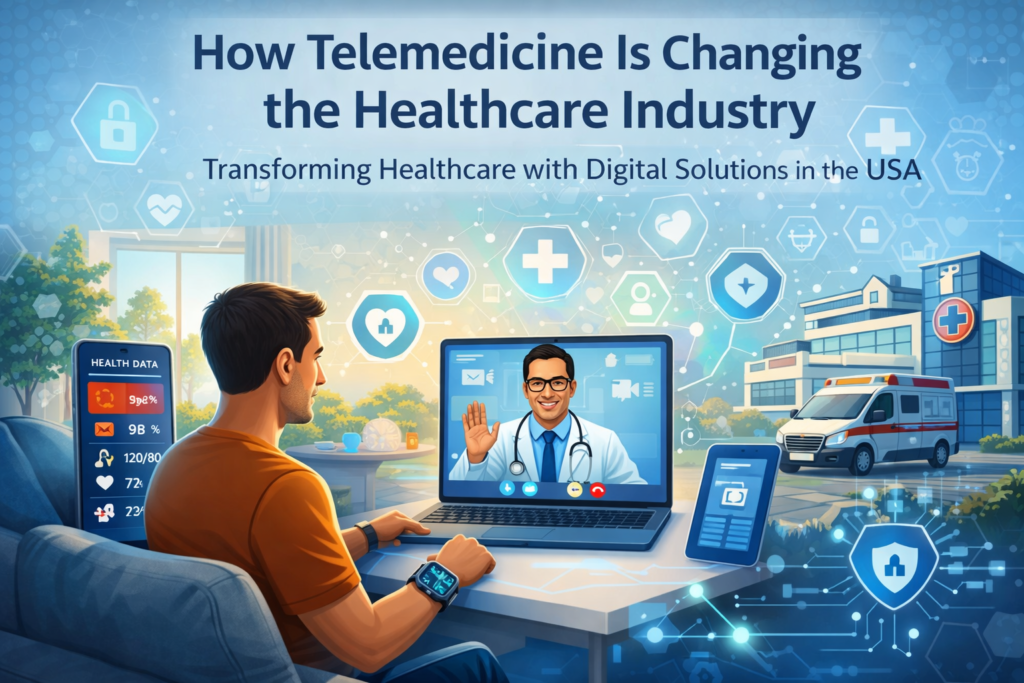
How Telemedicine Is Changing the Healthcare Industry is one of the most significant transformations happening in the United States healthcare system today. With advancements in digital technology and increasing demand for accessible medical services, telemedicine has become a vital tool for delivering care efficiently. Patients can now connect with healthcare providers remotely, eliminating the need for physical visits in many cases. Understanding How Telemedicine Is Changing the Healthcare Industry is essential for both healthcare professionals and patients navigating modern healthcare solutions.
The rapid growth of telemedicine has been driven by the need for convenience and accessibility. How Telemedicine Is Changing the Healthcare Industry is evident in the way patients can now consult doctors from their homes using smartphones, tablets, or computers. This is particularly beneficial for individuals living in rural or underserved areas where healthcare facilities are limited. By reducing travel time and associated costs, telemedicine makes healthcare more inclusive and accessible to a wider population.
Another major aspect of How Telemedicine Is Changing the Healthcare Industry is its ability to improve efficiency. Traditional healthcare systems often face challenges such as long wait times and overcrowded facilities. Telemedicine reduces these issues by allowing healthcare providers to manage appointments more effectively. Patients can receive timely consultations without waiting for hours, improving overall satisfaction and outcomes.
Cost reduction is another key benefit of How Telemedicine Is Changing the Healthcare Industry. Healthcare in the USA can be expensive, and telemedicine offers a more affordable alternative for many services. Virtual consultations typically cost less than in-person visits, and patients save money on travel and time. For healthcare providers, telemedicine reduces overhead costs associated with maintaining physical facilities.
How Digital Health Solutions Are Transforming Patient Care
Telemedicine is also enhancing patient monitoring, which is an important factor in How Telemedicine Is Changing the Healthcare Industry. Remote patient monitoring devices allow healthcare providers to track patients’ health data in real time. This is particularly useful for managing chronic conditions such as diabetes, hypertension, and heart disease. Continuous monitoring enables early detection of potential issues, leading to better health outcomes.

Technology integration is a critical component of How Telemedicine Is Changing the Healthcare Industry. Telemedicine platforms often integrate with electronic health records, enabling seamless access to patient information. This improves coordination between different healthcare providers and ensures that patients receive consistent care. Artificial intelligence is also being used to enhance telemedicine by providing diagnostic support and personalized treatment recommendations.
Another important advantage of How Telemedicine Is Changing the Healthcare Industry is increased patient engagement. Digital platforms allow patients to take a more active role in managing their health. Features such as appointment reminders, medication tracking, and health education resources empower patients to stay informed and adhere to treatment plans. This leads to better long-term health outcomes.
Telemedicine is also improving access to specialized care, which is a significant way How Telemedicine Is Changing the Healthcare Industry. Patients can consult specialists without needing to travel long distances. This is especially valuable for individuals requiring expert opinions or specialized treatments. Telemedicine bridges the gap between patients and specialists, ensuring that high-quality care is accessible to everyone.
Security and privacy are essential considerations in How Telemedicine Is Changing the Healthcare Industry. With the increasing use of digital platforms, protecting patient data is a top priority. Telemedicine systems use encryption and secure communication channels to ensure confidentiality. Compliance with healthcare regulations such as HIPAA is critical to maintaining trust and safeguarding sensitive information.
Top Healthcare Technologies Trending in 2026
Another key impact of How Telemedicine Is Changing the Healthcare Industry is its role in emergency and urgent care situations. Telemedicine allows patients to receive immediate medical advice without visiting emergency rooms for non-critical issues. This reduces the burden on healthcare facilities and ensures that resources are available for critical cases.
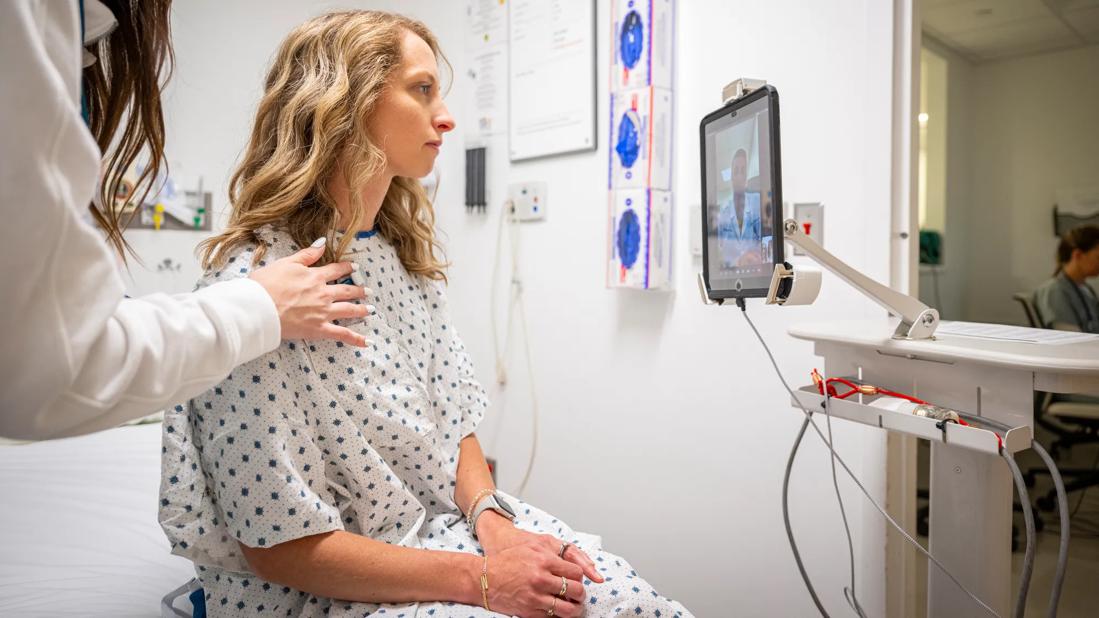
The future of How Telemedicine Is Changing the Healthcare Industry looks promising as technology continues to evolve. Innovations such as 5G connectivity, advanced AI, and wearable devices will further enhance telemedicine capabilities. These advancements will make healthcare more efficient, accessible, and personalized.
In conclusion, How Telemedicine Is Changing the Healthcare Industry is revolutionizing the way healthcare is delivered in the United States. By improving accessibility, reducing costs, and enhancing patient engagement, telemedicine is becoming an essential component of modern healthcare. As technology continues to advance, telemedicine will play an even greater role in shaping the future of healthcare.
FAQ
1. How Telemedicine Is Changing the Healthcare Industry?
It improves access, reduces costs, and enables remote consultations using digital technology.
2. What are the benefits of telemedicine?
Convenience, cost savings, better access to care, and improved patient monitoring.
3. Is telemedicine safe?
Yes, with proper security measures and compliance with healthcare regulations.
4. Who can use telemedicine?
Anyone with internet access, including patients in rural and urban areas.
5. What is the future of telemedicine?
Advanced AI, remote monitoring, and faster connectivity will enhance telemedicine services.
According to the World Health Organization, artificial intelligence is playing a key role in improving healthcare systems worldwide.
Research from National Institutes of Health shows that AI can significantly improve diagnosis accuracy in healthcare.The future includes advanced AI, personalized medicine, and smart hospitals.
Health Content Disclaimer
All health-related information on this website is published in good faith and for general informational purposes only. This content does not replace professional medical advice, diagnosis, or treatment.
We do not assume responsibility for any actions taken based on the information provided. Readers are strongly encouraged to consult licensed medical professionals for personalized healthcare guidance.